How to Maintain Fitness Whilst Injured
This subject is appropriate for everyone who trains in any capacity - whether that is a casual two or three gym sessions per week or a top-end athlete training ten times a week. When you are injured, it is still possible to maintain baseline fitness, and how to do it is the fun part. There is a lot of stigma attached to injury: fear of making it worse, anger that it happened in the first place, and sometimes even elements of low mood from the lack of exercise. That is why staying on top of your fitness during injury is so important - it prevents you regressing into bad habits and keeps your exercise levels high.
What is baseline fitness? At NRG we define it as the minimum required fitness level for you to perform at an acceptable level in your chosen environment. It all depends on your goals. If your goal is to walk up the stairs without being out of breath, your baseline is modest. If you are an elite athlete it gets trickier - during injury you may maintain good general fitness without being “match fit”. For now, let us stick with baseline.
Below are options for both upper and lower body injuries. Implement these while injured and coming back will be easier than ever. As always with rehab: be open-minded and experiment. One of these set workouts may not work for you, but a variation of them will.
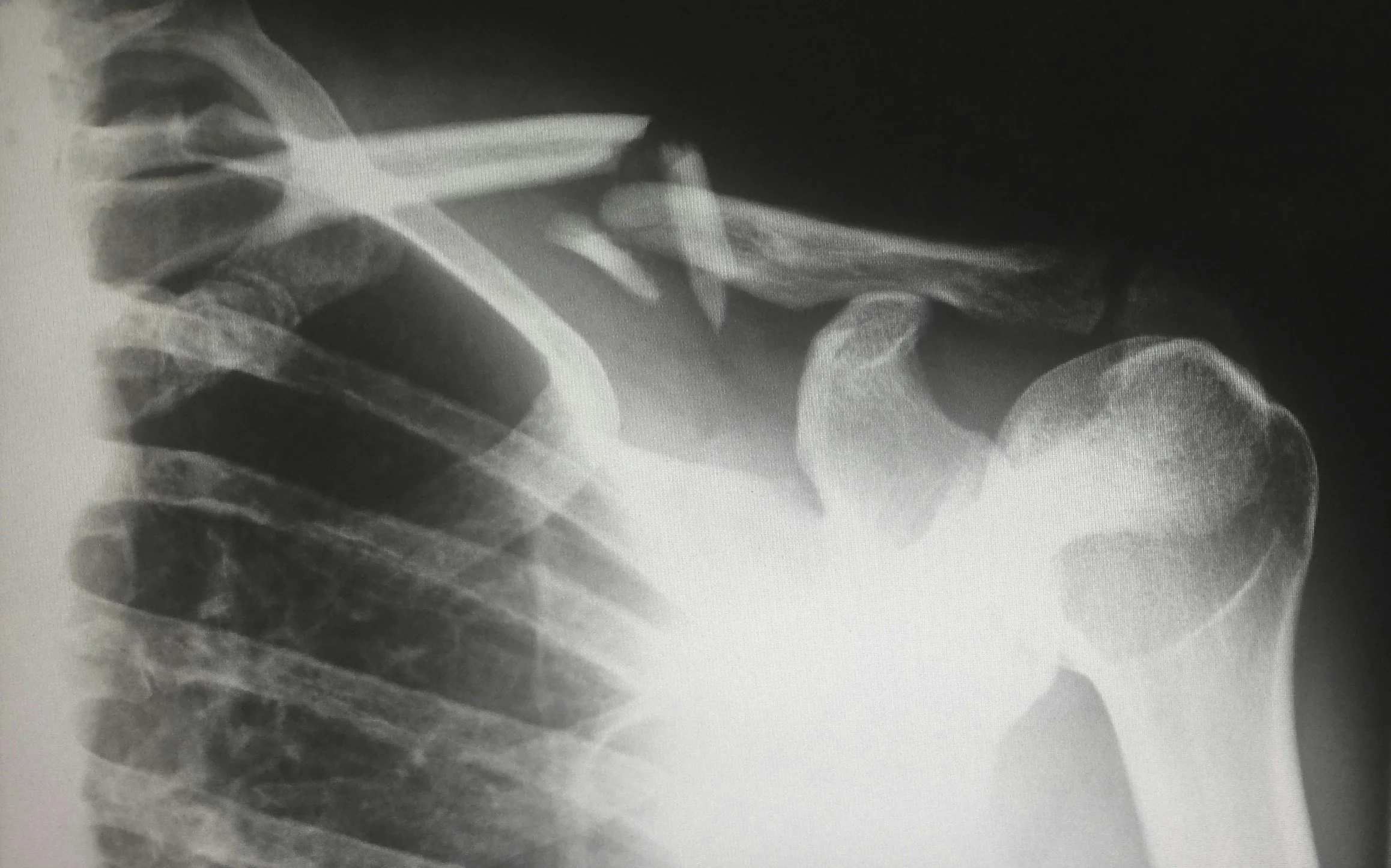
Upper body injuries
Watt bike or exercise bike: 6 rounds of 30 seconds on, 30 seconds off. This will burn - the 30-second sprint pushes your legs to their lactate threshold and you have to hold it off. Use the recovery to cycle slowly and bring the heart rate down. Advanced athletes should aim for 500m+ in each work interval.
No-hands assault bike plus squats: 10 rounds of 10 calories on the bike and 10 air squats. A pure aerobic capacity test: can you control your breathing and heart rate, moving from one exercise to the other without rest? Advanced athletes can approach 6 minutes going unbroken.
20-minute EMOM, box jump + squat variation: every minute on the minute, 10 box jumps or 10 squats on alternating minutes. This tests your ability to recover. Choose a height and weight that lets you complete the work in about 30 seconds, leaving 30 seconds to rest - do not pick a back squat that takes 50 seconds or you will blow out early.
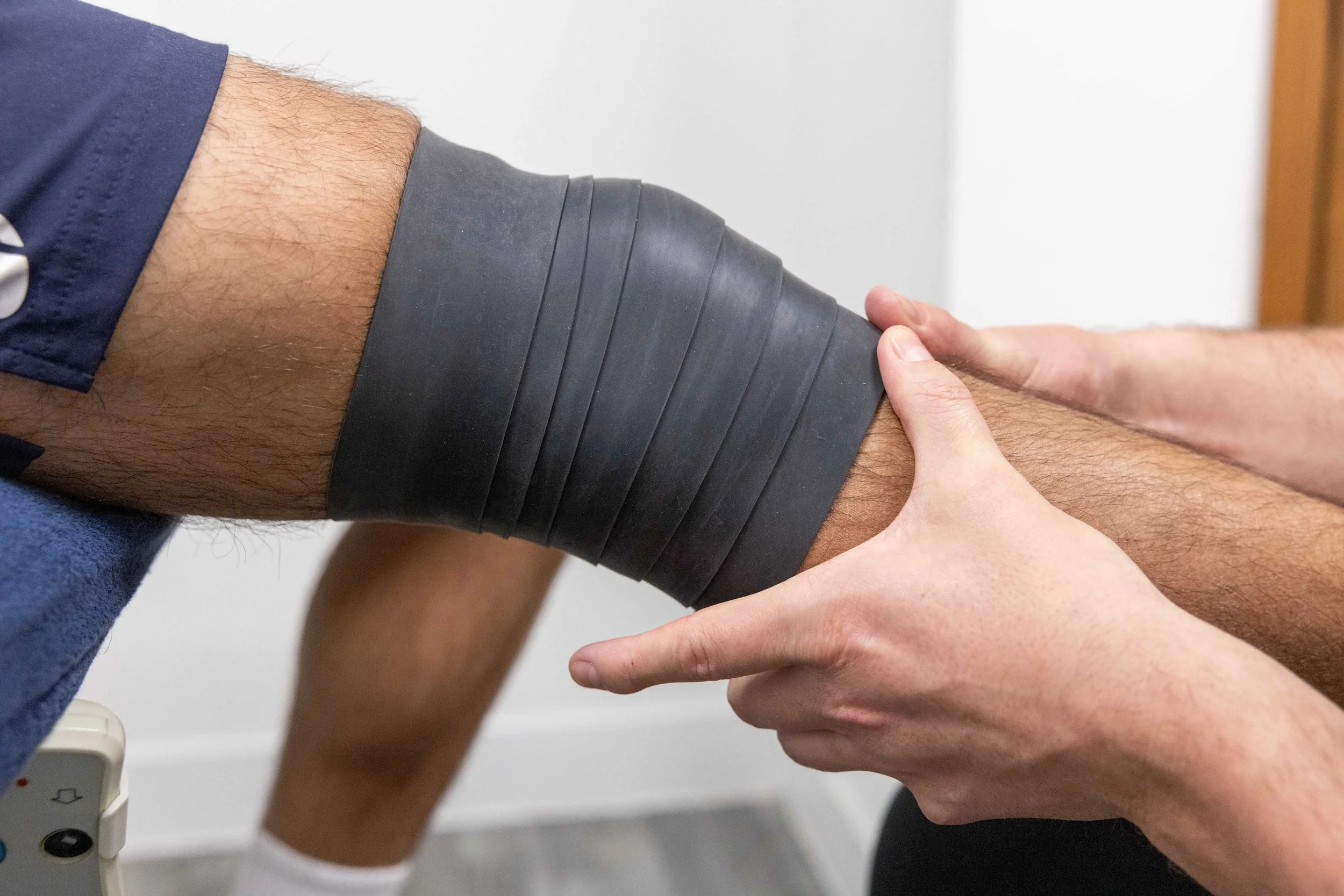
Lower body injuries
Seated ski-erg, upper body only: 3 sets of 500m with 1 minute rest between intervals. This is about endurance and maintaining pace. There is no point going out all guns blazing - your arms and shoulders will blow out. Find a consistent pace, keep your technique solid, and do not rely on one area too much.
Upper-body row (calories) + hand-release press-ups: 21-15-9 reps, repeated for rounds depending on your level. A pure chest, shoulder and upper-back workout. The idea is to go as quickly as possible and adapt the workout to your fitness. If you need to kneel for the press-ups, use that variation.
Battle ropes Tabata: 8 rounds of 40 seconds on, 20 seconds off, adapted to your fitness level. This is a burner and will test you mentally. There are many battle rope variations to change the emphasis on the muscles around the shoulder, and you can reduce the work time depending on your level (30 on / 20 off, for example).
Give these a go next time you are injured and looking to maintain your baseline fitness. They are only a small handful of ideas, so experiment - but be cautious and build up gradually. The last thing you want is to cause a further injury while working on your fitness.
Training around an injury? NRG Sports Therapy is a sports injury clinic in Bloomsbury, Central London. Book an injury assessment and we will build you a plan to keep you moving safely.