Cramp: Why Does It Happen?
Cramping - everyone has experienced it. That sensation that one of your muscles might explode from squeezing so hard, when your muscle cannot straighten into its natural position but instead sits in a frozen state of contraction. It can be extremely painful and is extremely common, but it is usually pretty harmless. In this article we explain what happens during cramp and the reasons why it happens.
What happens during cramp?
When the body goes into cramp, a muscle goes into an involuntary contraction which does not relax. Cramp occurs when a small group of muscle fibres within a muscle go into spasm. If this spasm is not corrected or reduced, the muscle then goes into an involuntary contraction - cramp. It can occur in any muscle, but is most common in the calves, hamstrings, traps, triceps and the muscles supporting the head.
Cramp can last anywhere between 5 seconds and 15 minutes, if not longer - how severe it is and how many muscles are recruited dictates how long it lasts. Cramp can happen to anyone but is more common in the older generation, especially when muscles start to atrophy (weaken) and become more susceptible.
Why do cramps happen?
Injury: when you injure yourself (for example, break your leg), the muscles around the injured area can go into cramp. This is a protective mechanism to stop the injured area from moving.
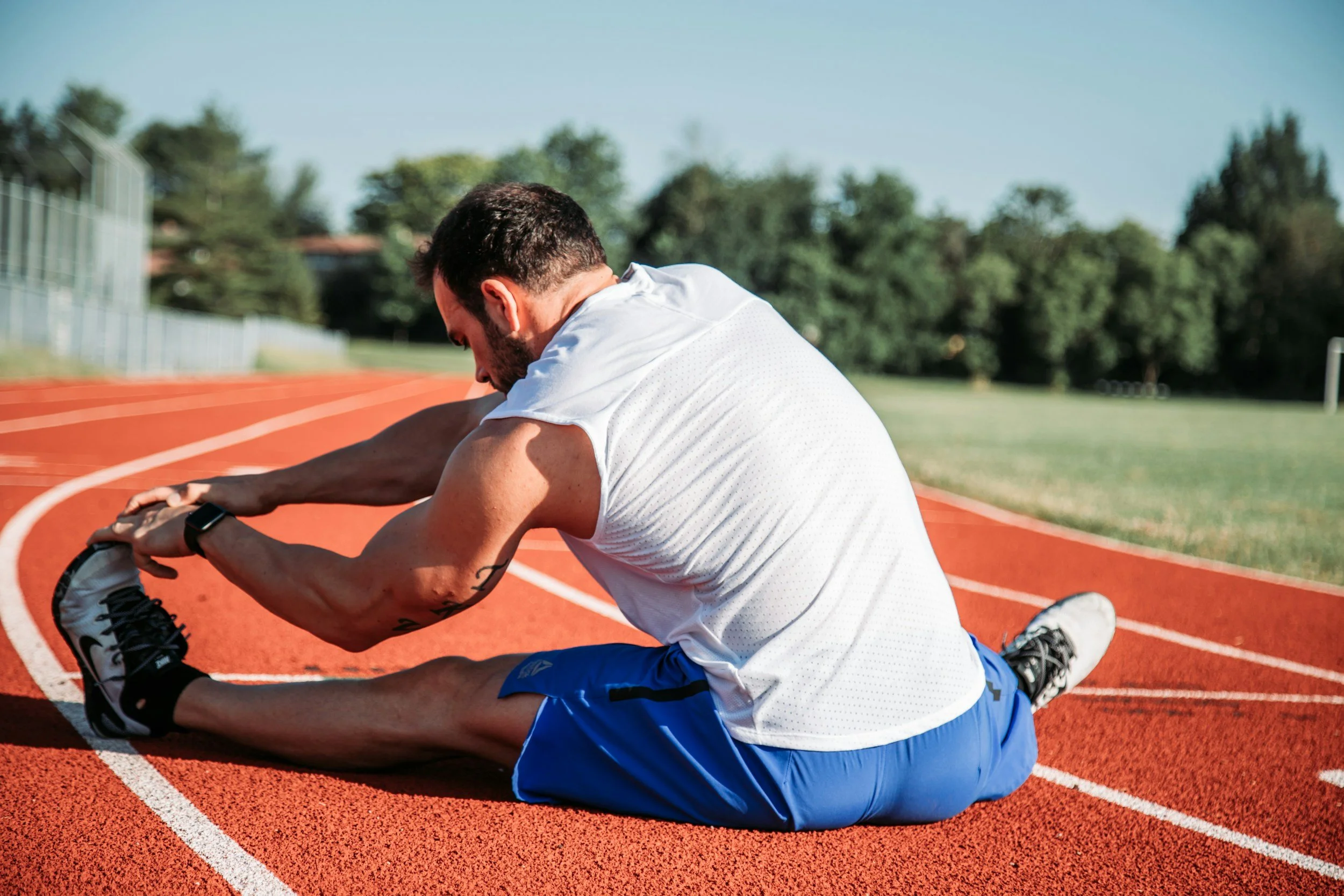
Vigorous exercise: intense training can cause cramp. As fatigue builds and attacks the muscles, they can spasm. It can also occur post-exercise while the body is recovering.
Rest cramps: these occur during sleep and often happen in the older generation. When asleep, your resting position may hold a muscle in a shortened position - a state of semi-contraction over 8 hours can cause that part of the body to spasm.
Dehydration: the most common source of cramp. When you are dehydrated, the amount of sodium in your body reduces. Sodium helps muscle cells maintain their size; when it is depleted, muscle cells can shrink, which causes cramp.
Fluid shifts: more associated with organ cramping (the stomach, for example), where large amounts of blood travel from one organ to another or bodily fluids move.
Pregnancy: your body is providing for an extra body, which can cause potassium and magnesium levels to drop - another cause of cramp.
How do we avoid cramp?
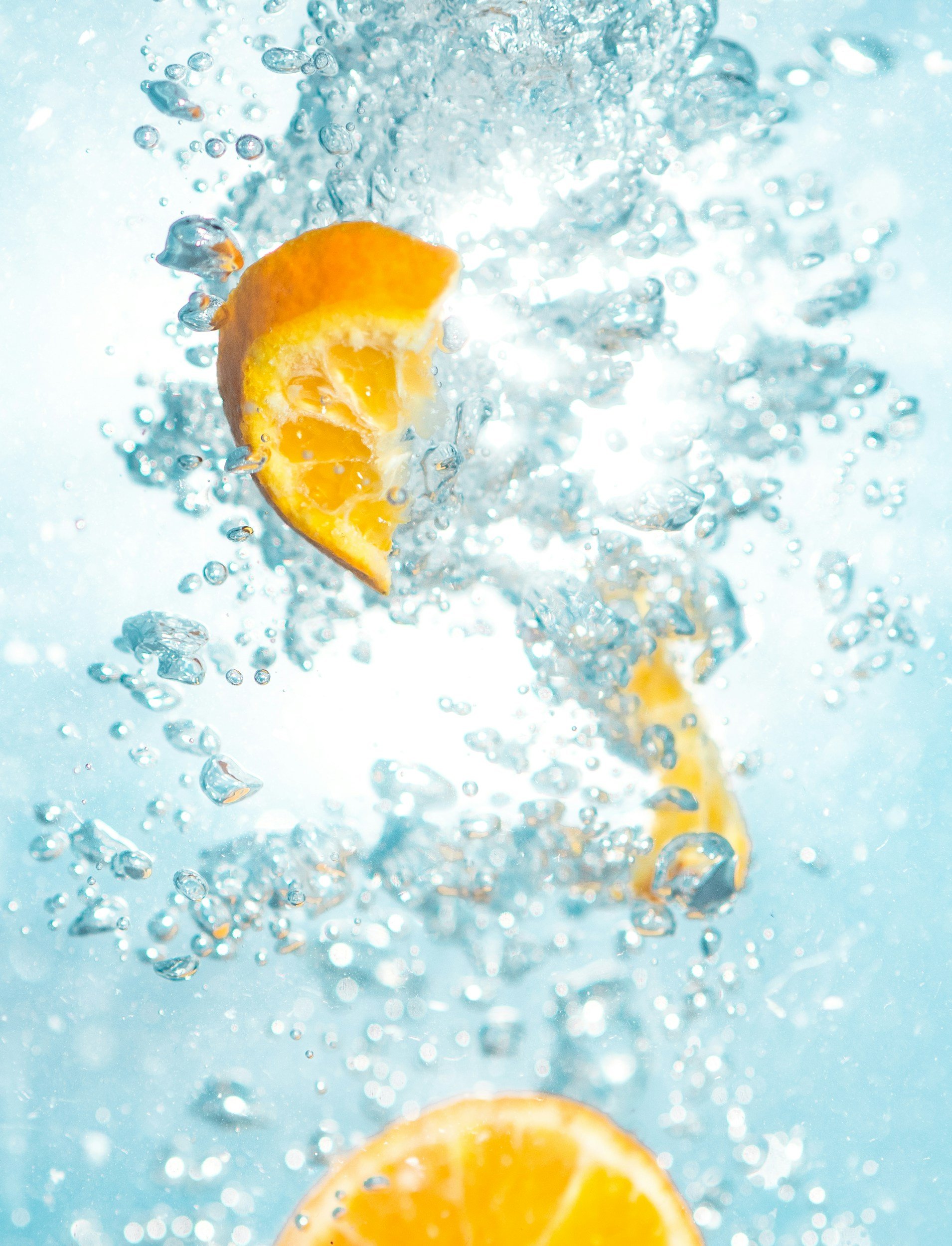
Sadly, cramp can sometimes be straight-up unavoidable. But keeping the body hydrated, stretching and warming up regularly before exercise, compression clothing during exercise, good quality movement (during exercise and in everyday life) and a healthy diet are all ways to help prevent it.
Struggling with cramp? NRG Sports Therapy is a sports injury clinic in Bloomsbury, Central London. Book an injury assessment and we will build you a plan to get you moving pain-free.