Shin Splints: What They Are and How to Treat Them
Equipment needed: foam roller / lacrosse ball
Shin splints is the pain felt in the anterior (front) portion of your tibia (lower leg/shin), and it is the condition most distance runners live in fear of. It is believed to be caused by the repetitive stress of running. The impact of running can have a detrimental effect on the musculature, connective tissue and joints in and around the shin, and the breakdown of tissue can be hard to correct without the right mobility techniques. Shin splints is also an umbrella term for shin pain: other conditions such as compartment syndrome (muscular swelling in the shin) and stress fractures (microscopic fractures of the shin bone) fall under the shin splints umbrella.
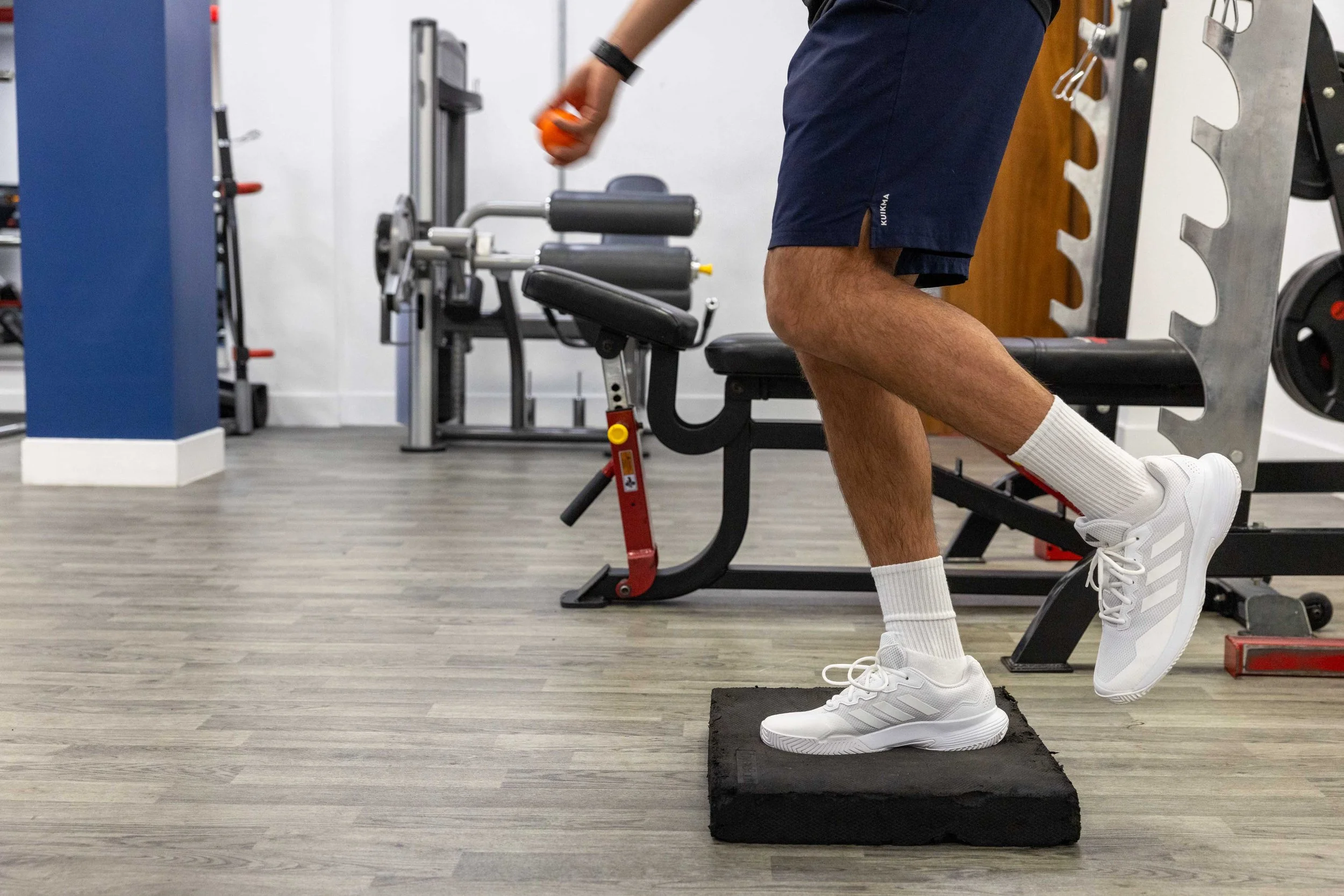
At NRG we have two go-to mobility exercises when addressing shin splints.
Shin Kneeling: This is as simple as it sounds. Start on all fours, set your knees to hip width apart, with the top of your feet flat on the floor. When you are ready, push your bum onto your heels and push pressure down through the heels. The added weight will add a stretch down the front of the shin and the muscle which attaches to it (tibialis anterior). If that is too easy, try lifting one of your knees up with your hands to intensify the stretch on the shin and the top of the foot. Timings: this can be quite sore, so 3 sets of 30-second holds, building up as it gets more bearable.
Tibialis Anterior Rolling: After elongating the muscular tissue structures, massage the area by foam rolling. Treat the area like a massage: start with quick short rolls to encourage blood flow, before slowing down and increasing pressure over the muscle. This helps iron out any adhesions or bumps across the musculature. Start with both shins (just below the knee) resting on the foam roller, feet elevated, with your hands on the floor for support. By shifting your weight back and forth, you will move the shins up and down the roller. If you can, rotate the feet as well to add a different stretch, or do one shin at a time to increase the weight through the affected area. Timings: at least 3 minutes of rolling, 1 minute of quick rolling followed by 2 minutes of slower, increased-pressure rolling.
Shin splints can take a long time to build up, so they can take a long time to cure. But with good pain management techniques such as mobility work, sensible use of anti-inflammatories and sensible running training, you will be back to good in no time.
Struggling with shin splints? NRG Sports Therapy is a sports injury clinic in Bloomsbury, Central London. Book an injury assessment and we will build you a plan to get you moving pain-free.