How to Return to the Gym Safely and Avoid Injury
Coming back to the gym after a long break - a holiday, an injury, a busy stretch of life - is fantastic news for your health and fitness. But jumping straight back into the deep end of training is not the way forward. Here is how to return to training safely and avoid unnecessary gym injuries.
A fact worth remembering: the biggest prerequisite of injury is a change of volume. The likelihood of injury increases significantly when you do too much after doing too little. That could mean training for too long (running 10km on the treadmill when you have only been doing 5km outside), training too heavy (bench pressing 100kg after only doing press-ups at home), training with too much intensity, or simply training too often (five sessions per week instead of your usual three). Let us look at each in detail.
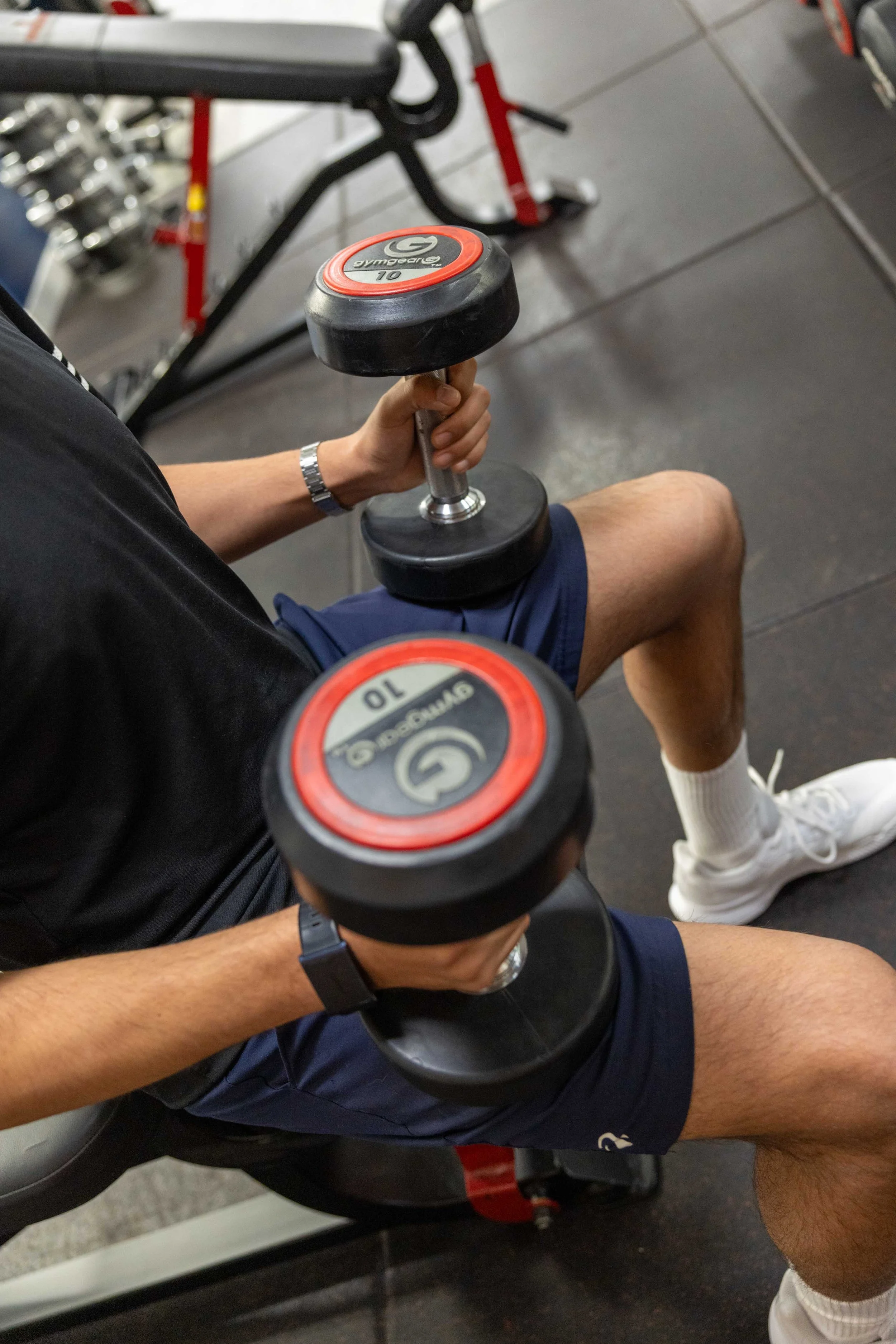
Do not start too heavy
Your strength will have dropped off during time away - this happens even to elite athletes. If you jump straight back to your previous weights and intensities, the likelihood of moving incorrectly and causing an injury increases significantly. Our advice: start slowly, on a weight you would usually consider a light warm-up. Complete two sets at this weight before moving to something harder, and do not go above 75% of your previous weights at first.
Do not train for too long
Your endurance - cardiovascular and muscular - will have dropped. It is important not to push to your previous levels in your first few workouts. As fatigue builds, form breaks down, and moving incorrectly under load is where the majority of gym injuries happen. Our advice: keep sessions within an hour if possible, or ninety minutes if you are an experienced trainer, including warm-up and cool-down. This keeps you focused and not overly fatigued.

Do not train too hard
After time away, your training intensity will be different. If you have not been near your max heart rate for months and then hold one for a prolonged period, the chance of nausea, light-headedness or injury is much higher. Our advice: work in a zone you find comfortable but that still creates a sweat, and build intensity over weeks.
Do not train too often
If you have been doing two workouts a week and suddenly visit the gym six times in your first week back, your body has significantly less time to rest, recover and adapt after each session. Training on already-inflamed muscles and connective tissue raises the chance of tearing a muscle or spraining a ligament. Our advice: train a maximum of three times a week for the first two weeks, then add sessions as appropriate.
Once you are in the gym: the RAMP principle
R - Raise your heart rate and get blood pumping around the body, either on the cardio machines or, if you are a more experienced lifter, with specific movements that mimic what you are about to train.
A - Activate the right muscles. Complete movements that drive blood into the area you are about to train - for example, bodyweight lunges before a lower-body workout.
M - Mobilise the tissues so you can move correctly for the session planned. If you have been desk-bound for hours, your hip flexors will have stiffened - gently stretch them to improve function at the hip.
P - Potentiate the weights by moving up slowly. No big jumps - they are a shock to your muscular system and your nervous system alike.
We hope this helps your return to the gym. If you are unsure of the best approach, or cautious about the injuries you might cause yourself, get in touch - we are happy to help.
Returning to training after a break? NRG Sports Therapy is a sports injury clinic in Bloomsbury, Central London. Book an injury assessment and we will build you a plan to get you back to your best, safely.